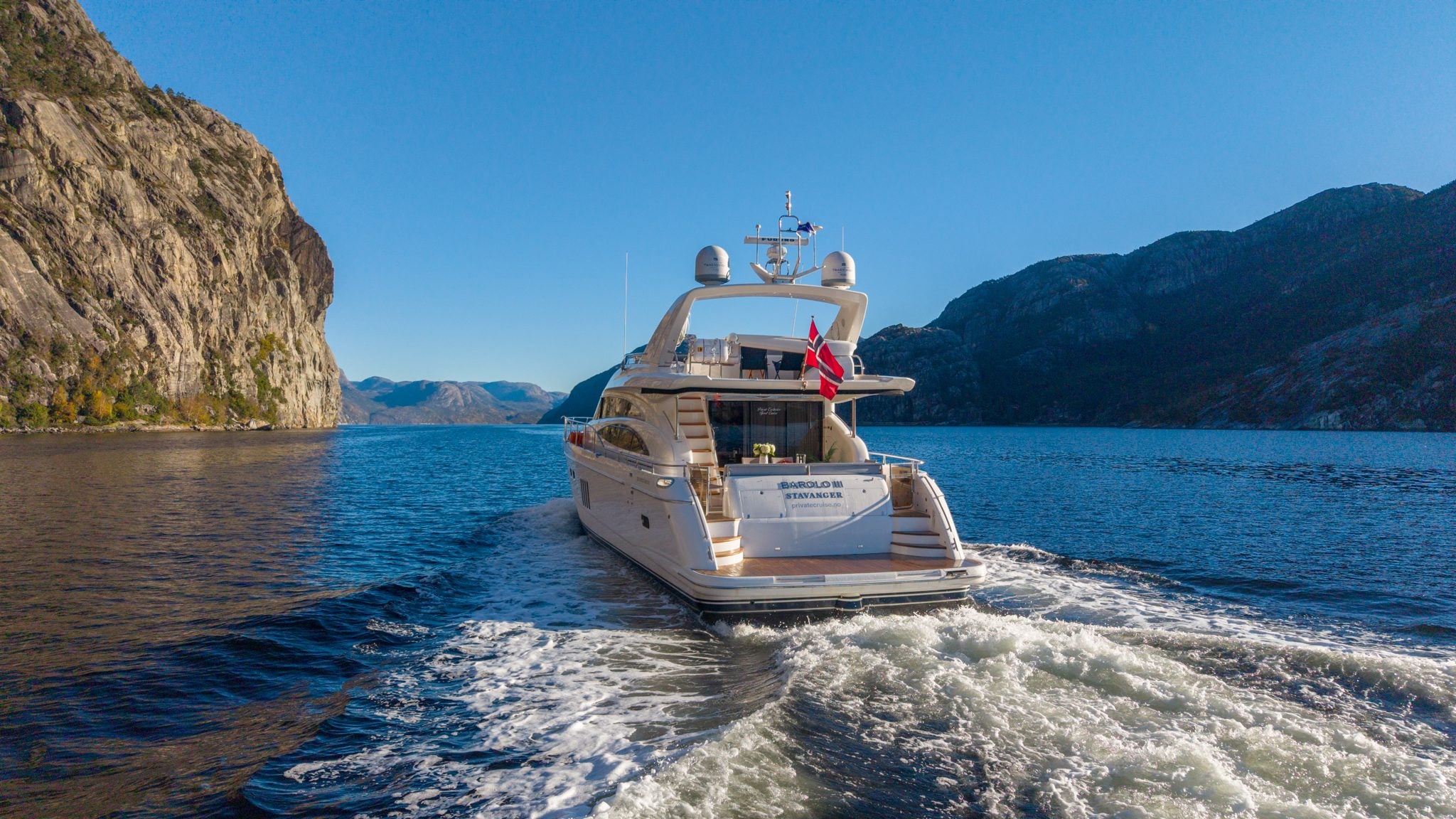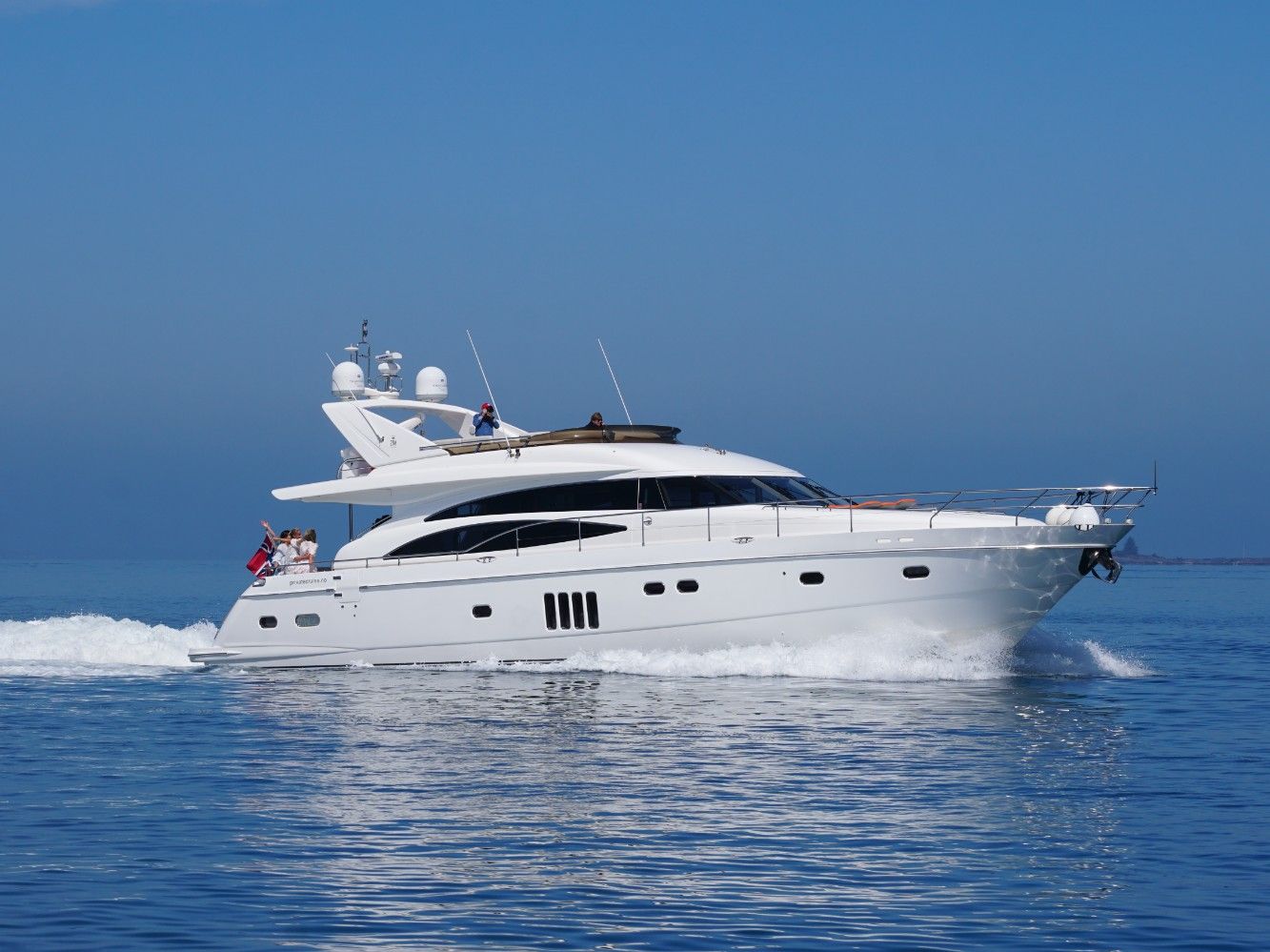

Most people know the word, and most people have seen the pictures. But what exactly is a fjord, and why does Norway have so many of them?
A valley carved by ice, filled by the sea
A fjord is a long, narrow inlet of the sea between steep mountain walls. Fjords were formed during the ice ages, when glaciers flowing towards the coast ground deep, U-shaped valleys into the bedrock. When the ice melted and sea levels rose, the ocean flooded in.
That is why fjords are often far deeper in the middle than at the mouth, where a shallower ridge of rock, a sill, marks the old edge of the glacier. It is also why the walls are so steep: they were cut by ice, not by rivers.
The famous fjords of Norway
- The Sognefjord is the longest and deepest in Norway, running more than 200 kilometres inland.
- The Hardangerfjord, south of Bergen, is famous for its orchards, which bloom in May.
- The Geirangerfjord and the Nærøyfjord are UNESCO World Heritage sites, and among the busiest with cruise ships.
- The Lysefjord, just outside Stavanger, is smaller, quieter, and arguably the most dramatic of them all.
Why the Lysefjord?
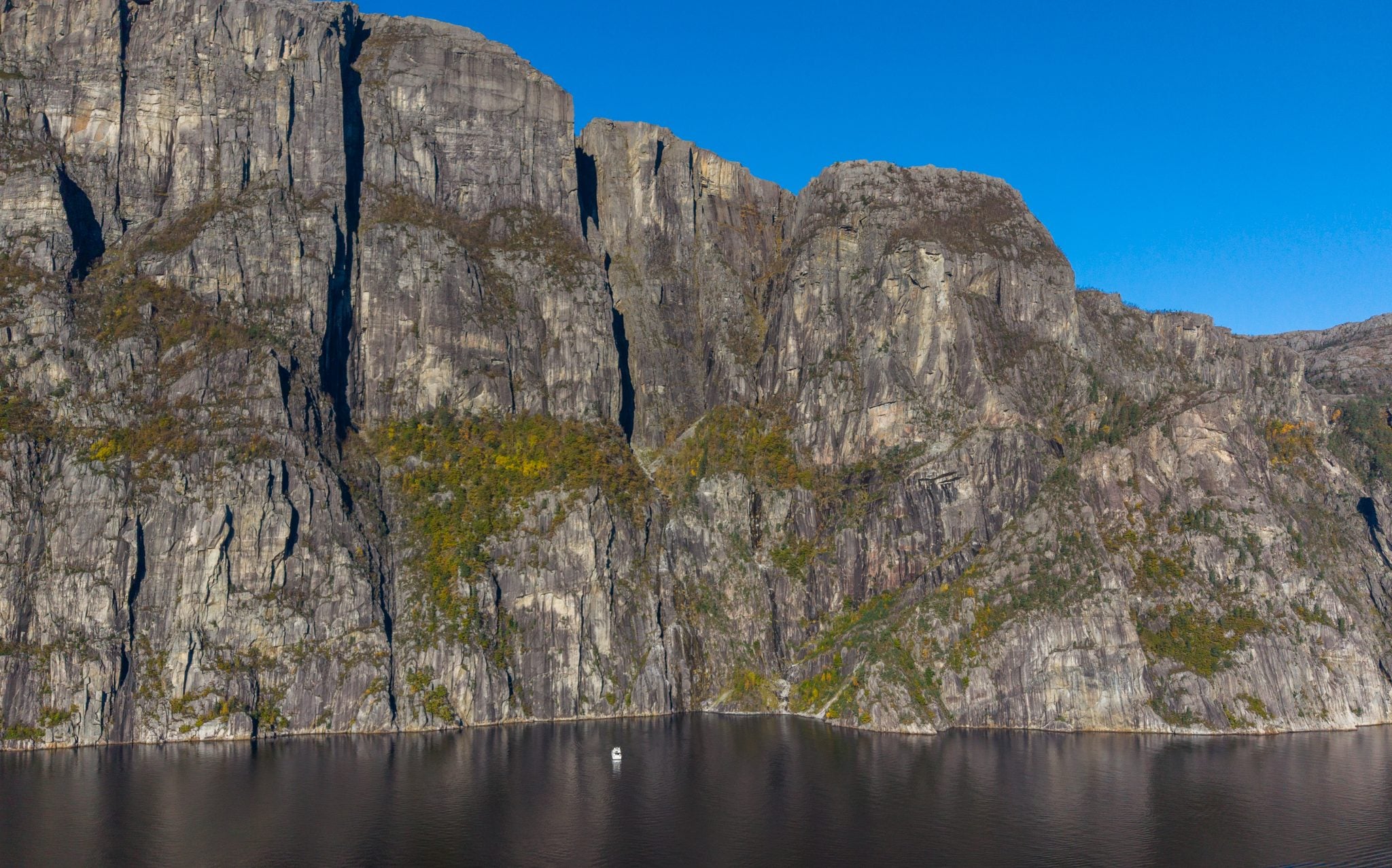
The Lysefjord is 42 kilometres long, with granite walls rising around a thousand metres straight out of the water. Its name means “the light fjord”, after the pale granite that lines it. Few visitors outside Norway have heard of it, and that is part of its charm.
From the water, you pass the landmarks in order:
- Preikestolen, the Pulpit Rock, a flat ledge 604 metres above the water.
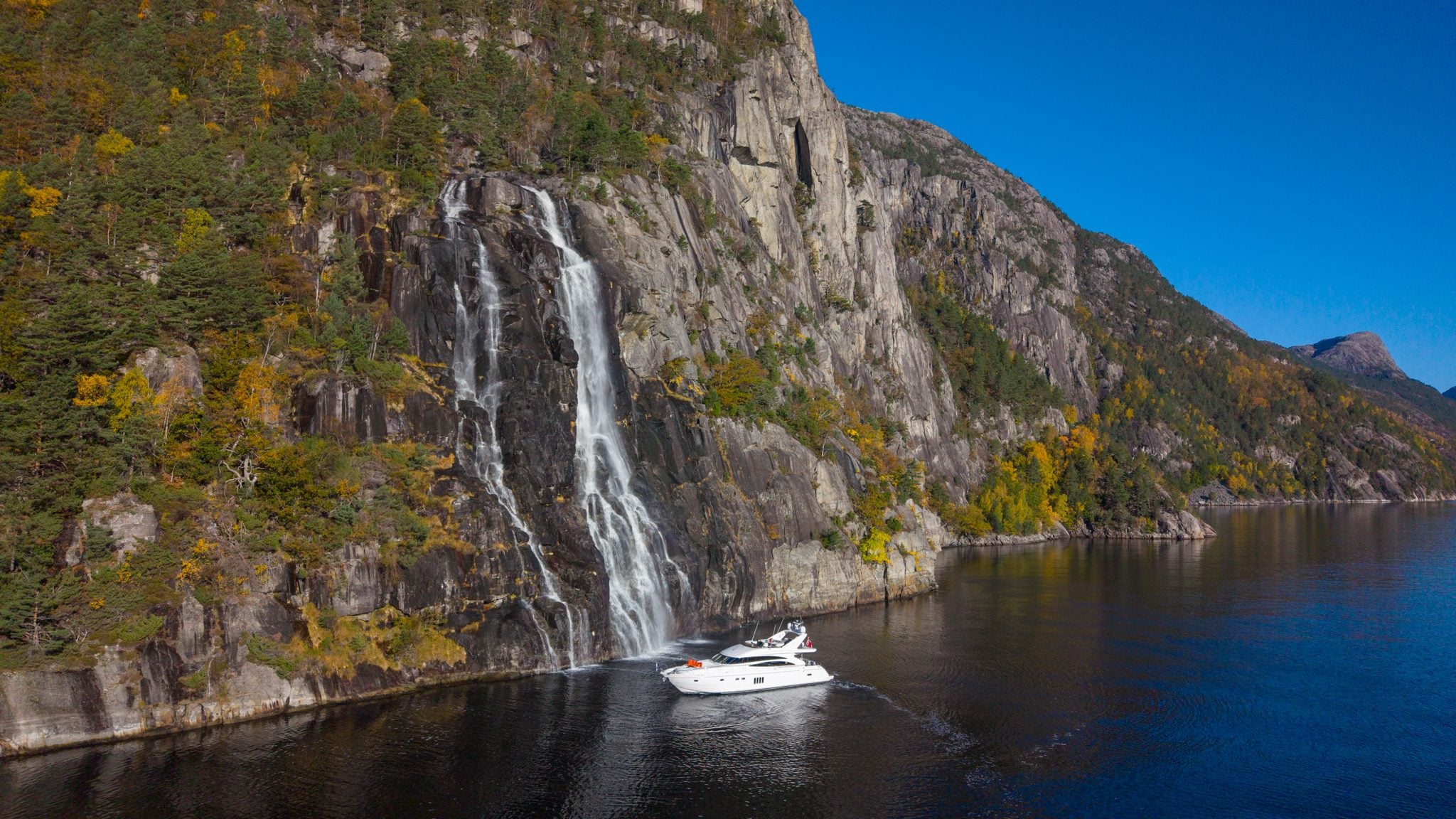
- Hengjanefossen, a waterfall that drops straight down the cliff face.
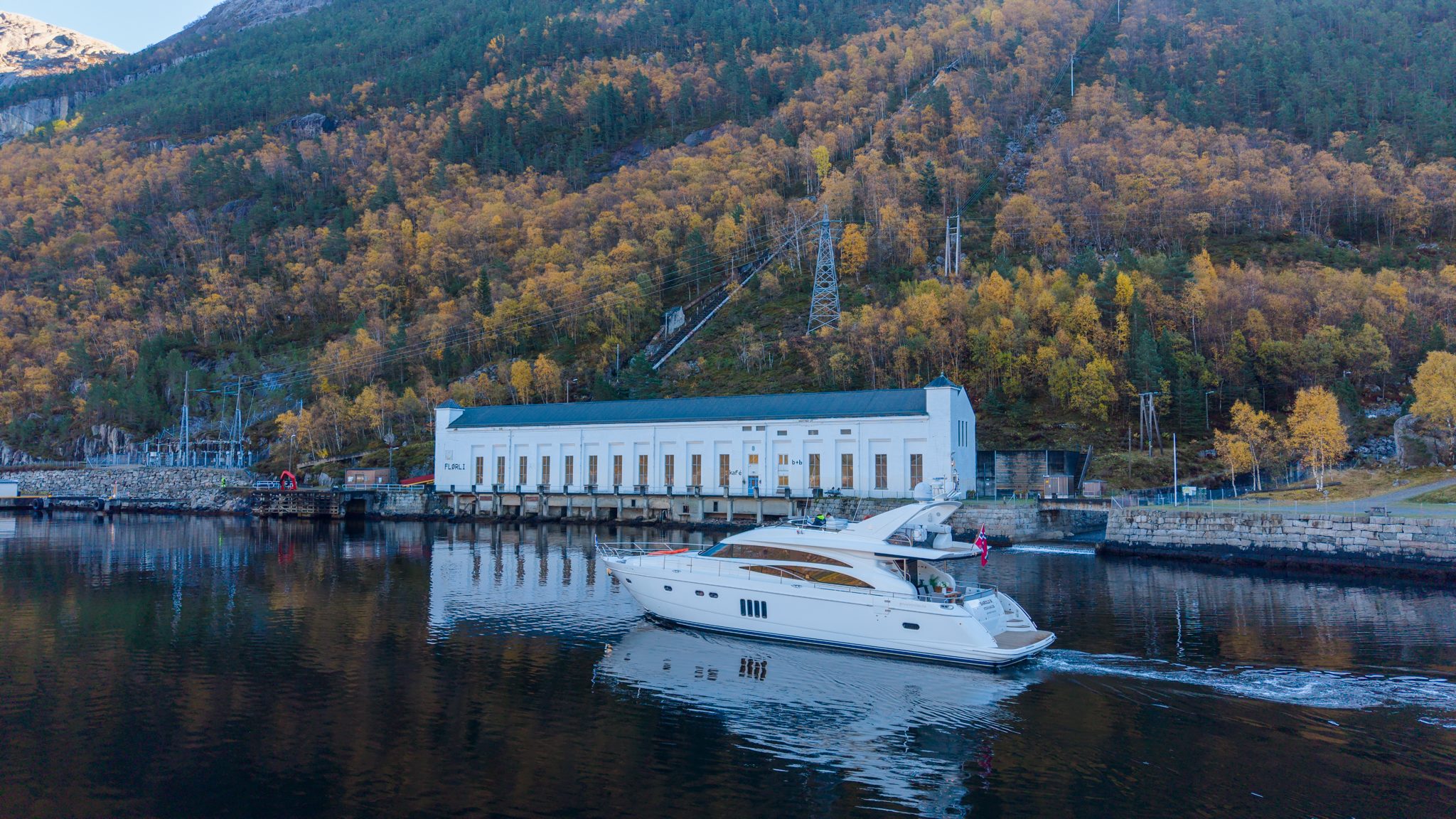
- Flørli, a hamlet with no road and 4,444 wooden steps up the mountain.
- Kjeragbolten, a boulder wedged between two cliffs, almost a thousand metres up.
- Lysebotn, the end of the fjord, where the road climbs away in 27 hairpin bends.
The best way to see a fjord
Most people see Preikestolen from the top, after a hike of around four hours there and back. It is spectacular. But only from the water do you understand the scale of the place: the walls closing in, the waterfalls you have to tilt your head back to follow, and the silence once the engines stop.
On a private yacht you set the pace. Stop beneath a waterfall for lunch, swim in a bay no road reaches, or simply drift. Our five-hour charter beneath Preikestolen is the most popular way to see it; The Whole Fjord goes all the way to Kjerag.
Frequently asked questions
How far is the Lysefjord from Stavanger?
The mouth of the fjord is less than an hour by boat from Stavanger harbour.
Can you see Preikestolen from a boat?
Yes. From the water it rises 604 metres straight above you, a view the hikers at the top never see.
When is the best time to visit?
All year. Waterfalls are at their fullest in spring, summer brings long light evenings, and autumn is quieter with colour on the slopes. Read more in the best time to visit the Norwegian fjords.